
The reading problem
A URL lets a reader locate a document, but the publisher role explains what kind of evidence the document can provide. Keep both in the same reading note.
A product listing, an institutional notice and a publication date are different records. Preserve their dates and jurisdiction before extending a conclusion to another time or place.
A practical example
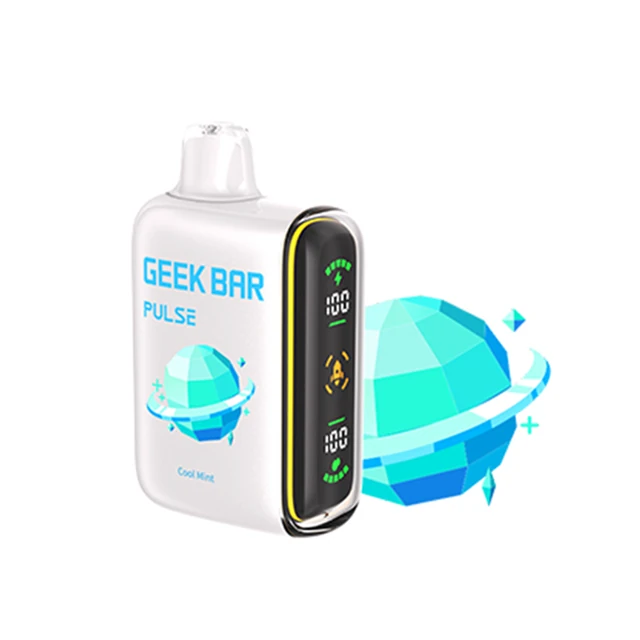
Geek Bar PULSE and PULSE X are separately named entries. Retaining the suffix keeps a quotation attached to the right subject.
Carry the date and place with the statement
Write down the subject, the publisher, the exact source address and what remains unknown. When another account repeats the statement, check whether it supplies new evidence or simply points back to the same original.
What date and jurisdiction belong to the original statement?
A worked reading example: The timestamp belongs to a particular record
A product page access date tells a reader when the page was consulted. A publication date tells when an account was issued. An event date belongs to the event being described. Keeping these separate prevents a newly written summary from appearing to update the underlying event. Jurisdiction needs the same care: a record for one country is not automatically a statement about another. When a brand name appears in a dated source, retain the exact named subject and location instead of widening it into a timeless brand-wide conclusion. Context should travel with the passage wherever it is summarized.
Check the address
Write the publisher role next to the source URL. If the source is a summary, identify the original it depends on. A second link should have a reason to be there beyond repeating the first.
Editorial takeaway: Preserve source date, access date and jurisdiction as separate fields.
A boundary worth keeping
Context narrows a claim to the place where its support applies.
The linked product publishers describe their own materials. This publication provides a reading structure; it does not claim to have independently tested devices or certified a market status.
Continue with an original record
Checked 17 October 2026. Read the original source and its scope before extending the conclusion.